Ultratremor
2026
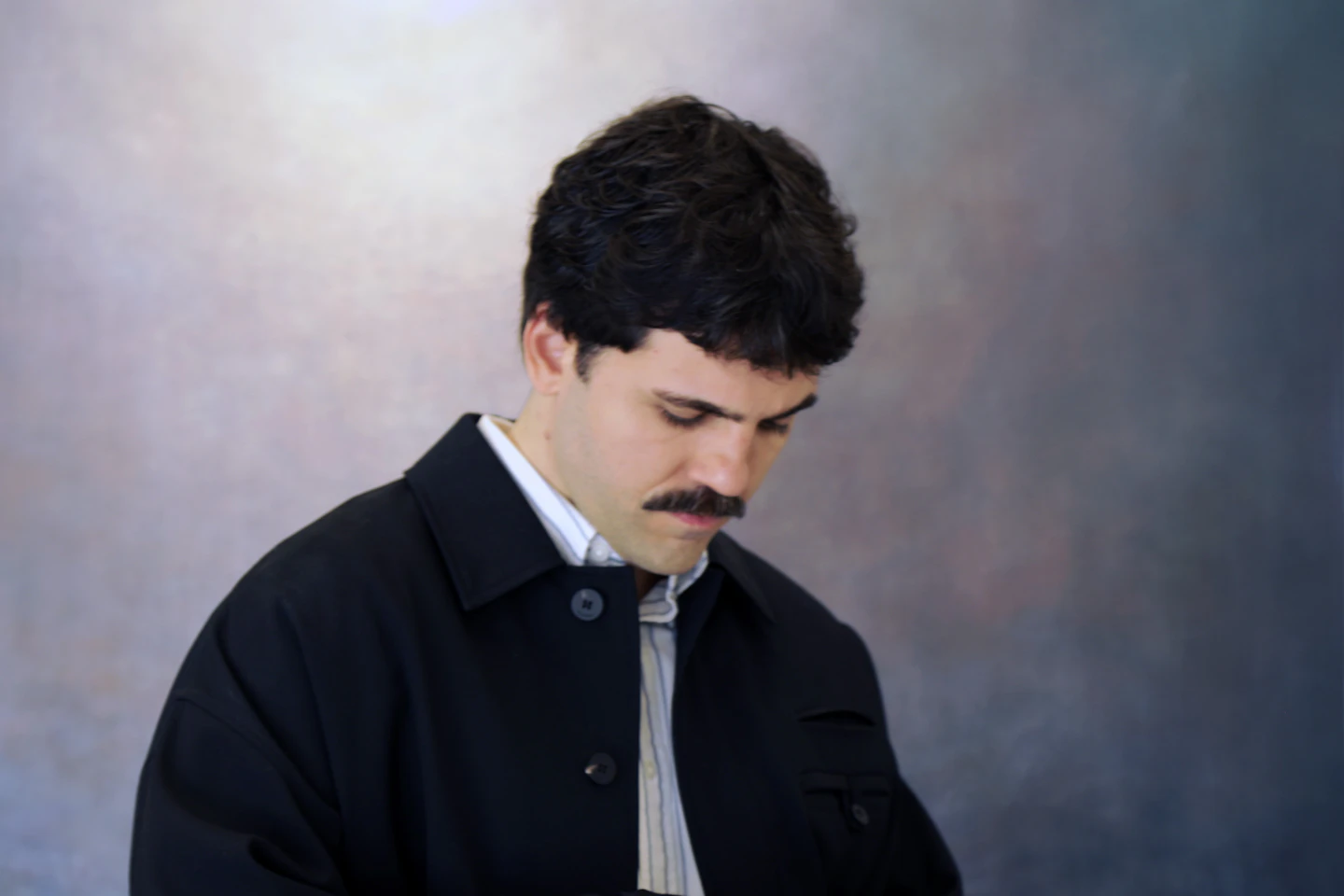
Germano Dushá is a curator, writer, and cultural agent with a law degree (FGV Direito SP) and a postgraduate degree in Art: Criticism and Curatorship (PUC-SP). At the intersection of aesthetics, critical thinking, and esoteric traditions, his practice assumes multiple forms—as curatorial, literary, and hypermedia experiments—to investigate social imaginaries, and to dwell on the energy fluxes connected to radical subjective experiences and transmutation processes.
Contact germano@ofora.org
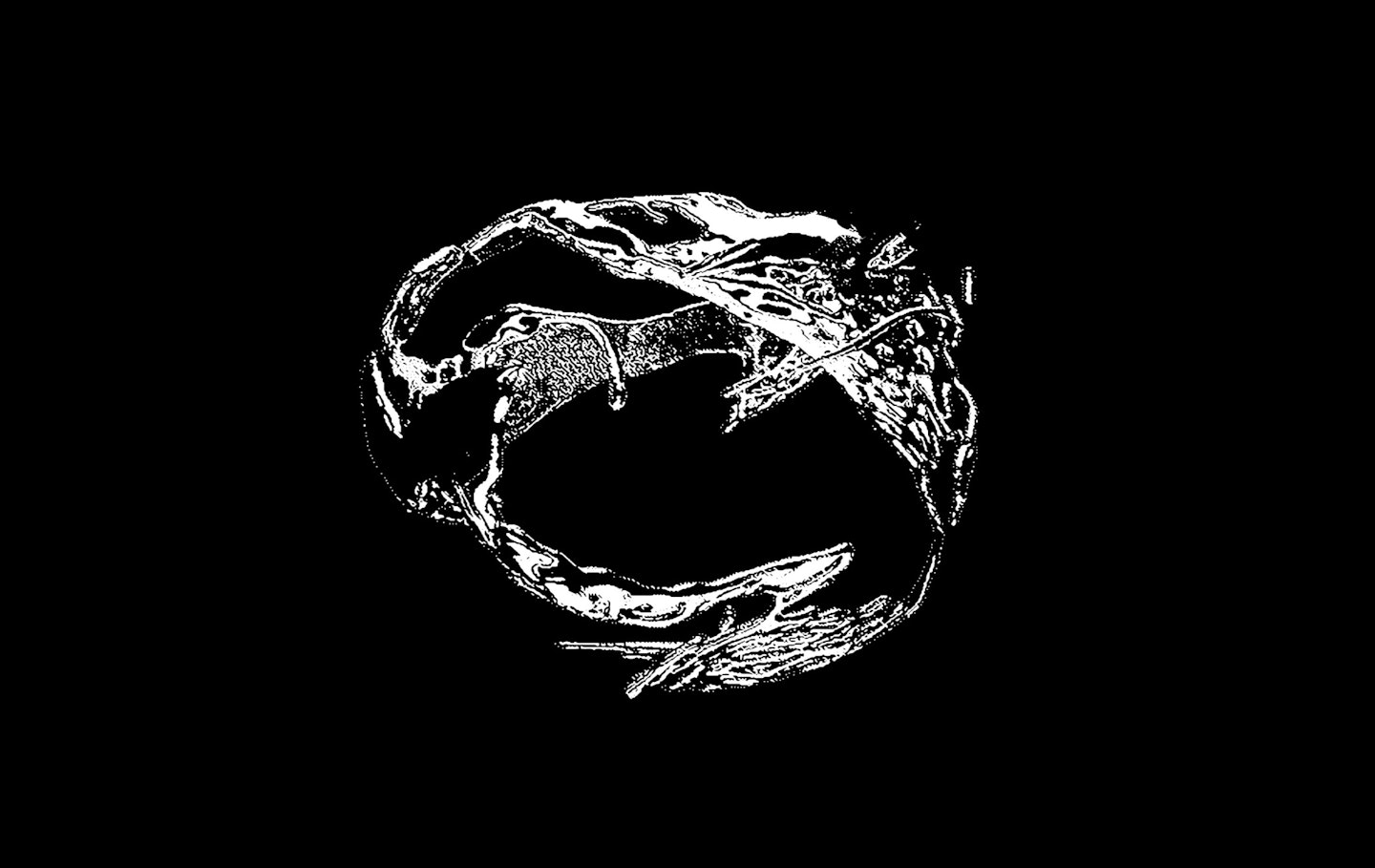
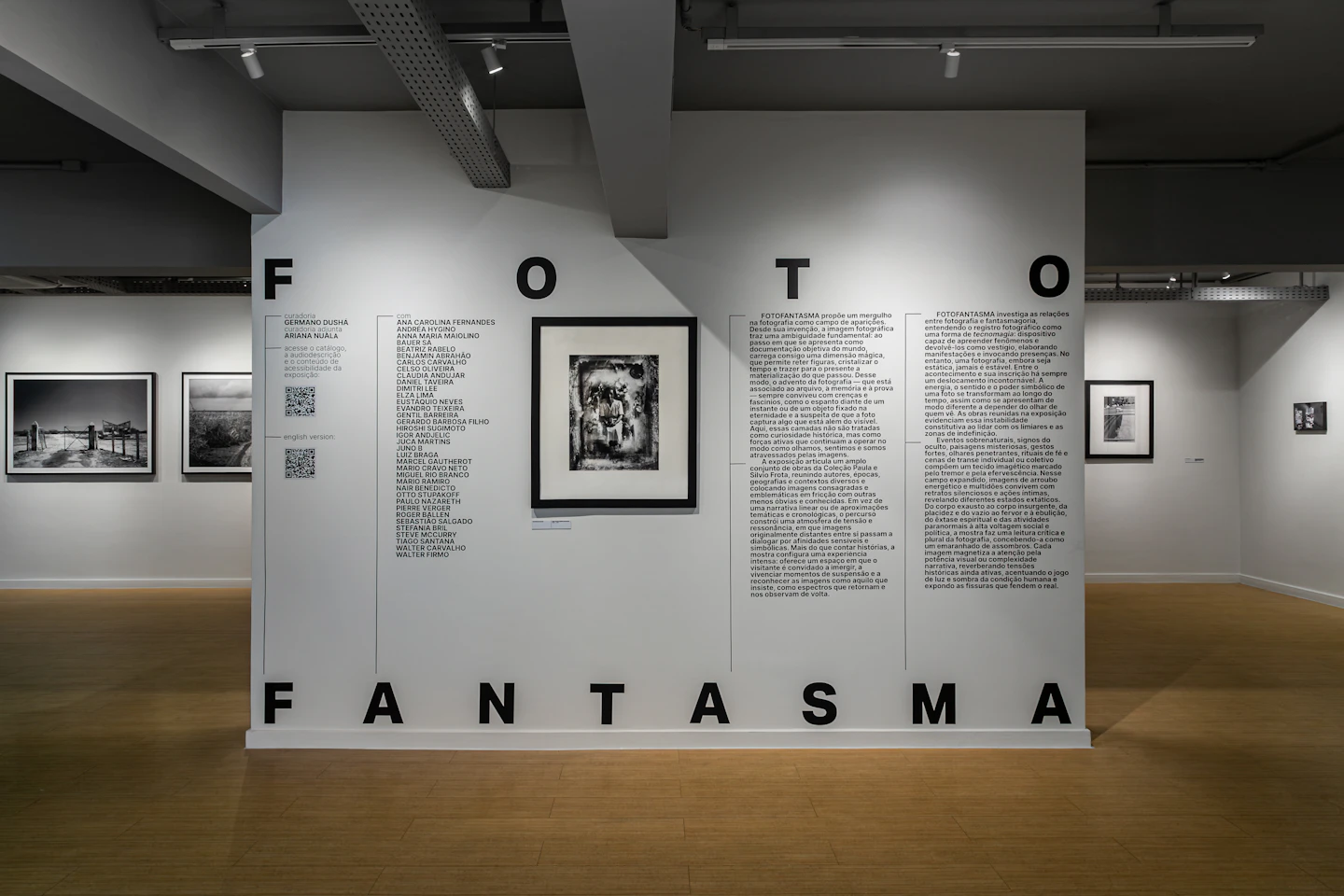
Fotofantasma proposes a plunge into photography as a field of apparitions. Since its invention, the photographic image has carried a fundamental ambiguity: while it presents itself as an objective documentation of the world, it also holds a magical dimension, one that allows figures to be retained, time to be crystallized and what has passed to be materially brought into the present. In this sense, the advent of photography—associated with the archive, memory, and proof—has always coexisted with beliefs and fascinations: the astonishment provoked by an instant or an object fixed in eternity, and the suspicion that the photograph captures something that lies beyond the visible. Here, these layers are not treated as historical curiosities but as active forces that continue to shape how we look, feel, and are affected by images.
The exhibition brings together a broad selection of works from the Paula and Silvio Frota Collection, assembling authors, periods, geographies, and contexts that vary widely and placing celebrated and emblematic images in friction with others that are less obvious or well-known. Rather than following a linear narrative or thematic and chronological groupings, the exhibition constructs an atmosphere of tension and resonance, in which images originally distant from one another are put in dialogue through sensitive and symbolic affinities. More than telling stories, the exhibition configures an intense experience: it offers a space where visitors are invited to immerse themselves, to inhabit moments of suspension, and to recognize images as that which persists—like specters that return and look back at us.
Fotofantasma investigates the relationship between photography and phantasmagoria, understanding the photographic record as a form of technomagic: a device capable of apprehending phenomena and returning them as traces, elaborating manifestations and invoking presences. Yet, a photograph, although static, is never stable. There is always an unavoidable displacement between an event and its inscription. The energy, meaning, and symbolic power of a photo transform over time, just as it appears differently depending on the gaze of the viewer. The works gathered in the exhibition foreground this constitutive instability by engaging with thresholds and zones of indeterminacy.
Supernatural events, occult signs, mysterious landscapes, powerful gestures, penetrating gazes, rituals of faith, and scenes of individual or collective trance compose an imagistic fabric marked by tremor and effervescence. Within this expanded field, images of energetic outbursts and crowds coexist with silent portraits and intimate actions, revealing different ecstatic states. From the exhausted body to the insurgent body, from placidity and emptiness to fervor and upheaval, from spiritual ecstasy and paranormal activities, to moments of intense social and political voltage, the exhibition offers a critical and plural reading of photography, conceiving it as a tangle of hauntings. Each image magnetizes attention through its visual power or narrative complexity, reverberating with still-active historical tensions, intensifying the interplay of light and shadow in the human condition and exposing the fissures that crack the real.